Janet McKenzie’s Dunnage
The Story of Whisky, Stone and a Woman of Questionable Reputation
The Origins of the Snug
Step into the snug at the Grant Arms Hotel and you step into the very beginnings of Grantown-on-Spey.
Our story begins in 1765, the year the town itself was founded as a planned settlement under Sir James Grant of Grant. The stone walls that cradle this room formed part of that earliest construction and remain the oldest surviving fabric of the hotel.
They have stood through centuries of Highland life, quietly witnessing generations pass through — from early settlers and soldiers to modern travellers drawn north by the River Spey and Scotland’s enduring pull.
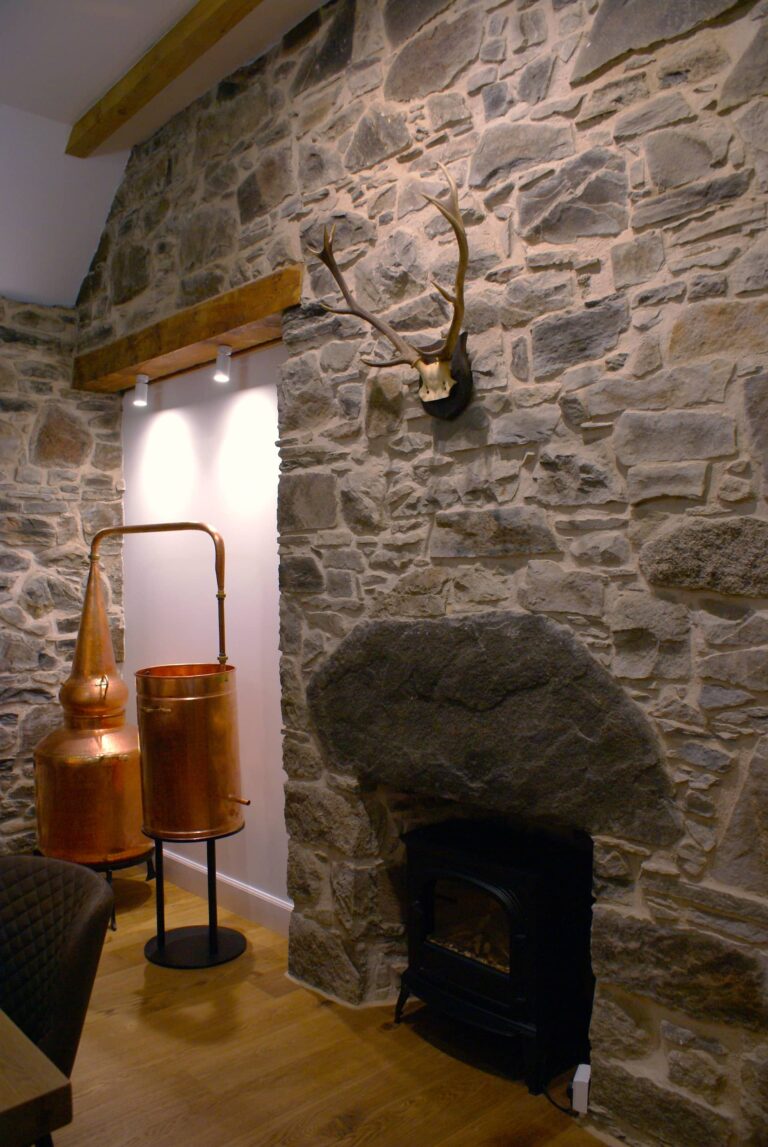
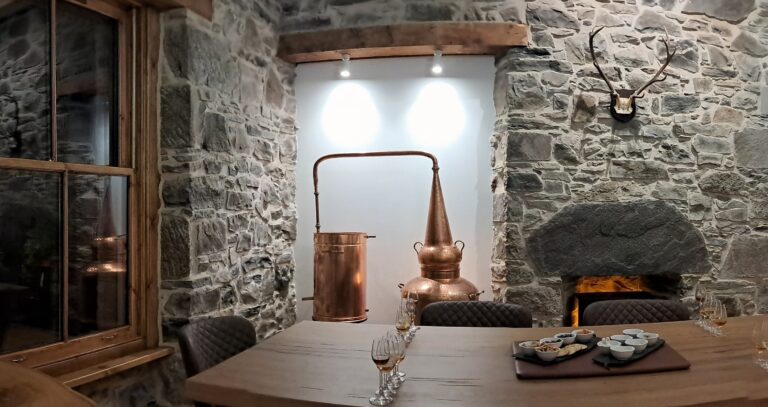
At the heart of the snug stands the original fireplace, crowned by a great granite mantle. It offers a glimpse into life in those earliest days, when warmth, conversation and hospitality lay at the centre of Highland living.


A Space for Whisky and Conversation
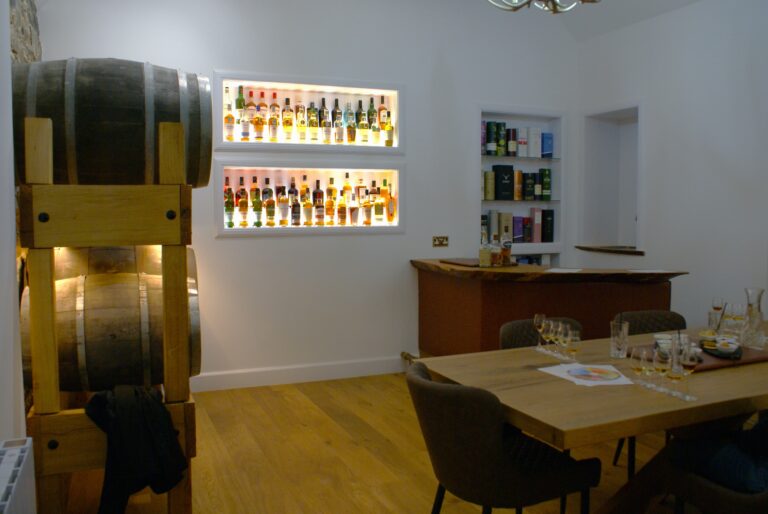
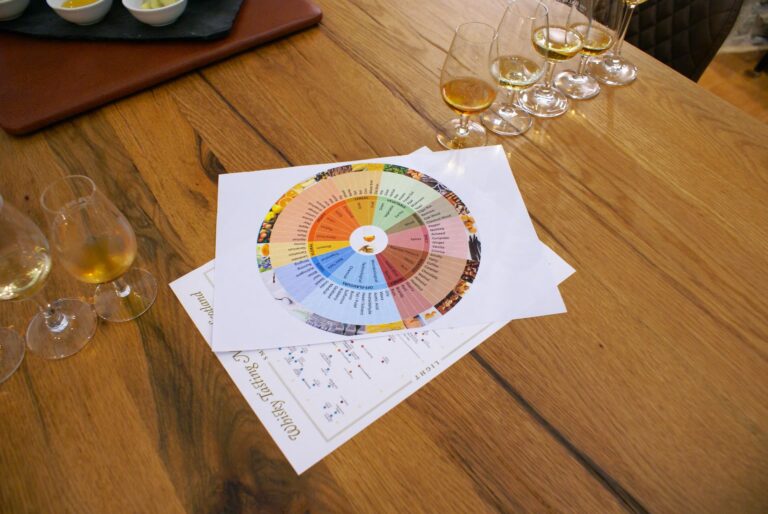
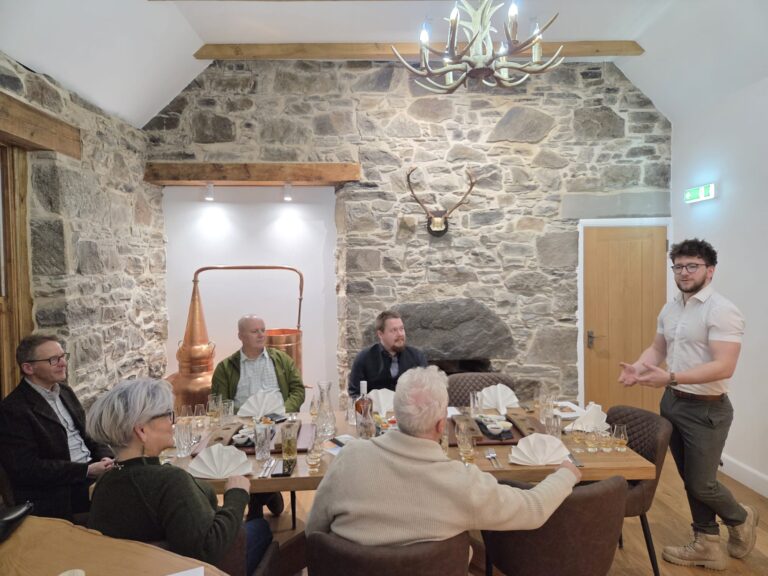
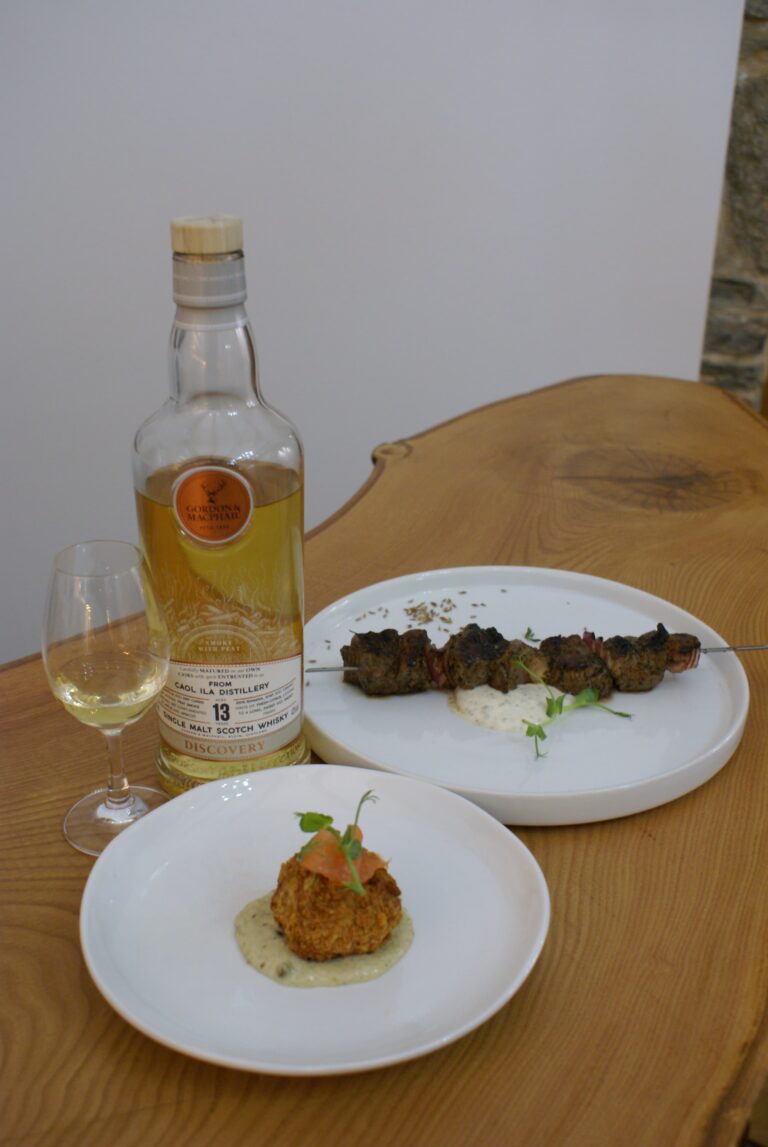
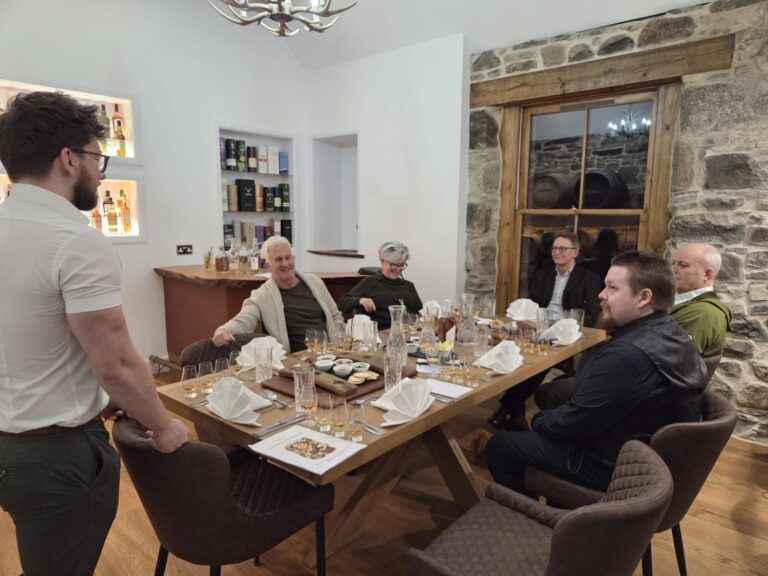
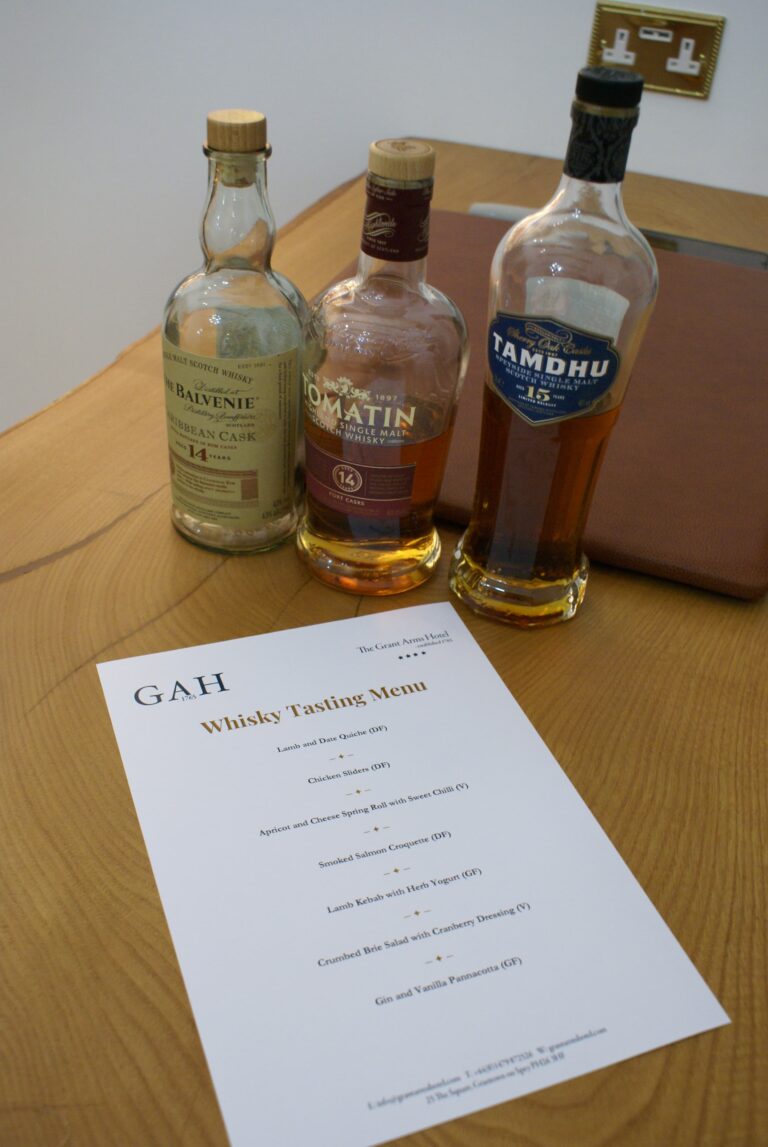
Today, this historic space has been lovingly transformed into an intimate whisky tasting room, celebrating one of Scotland’s most treasured traditions.
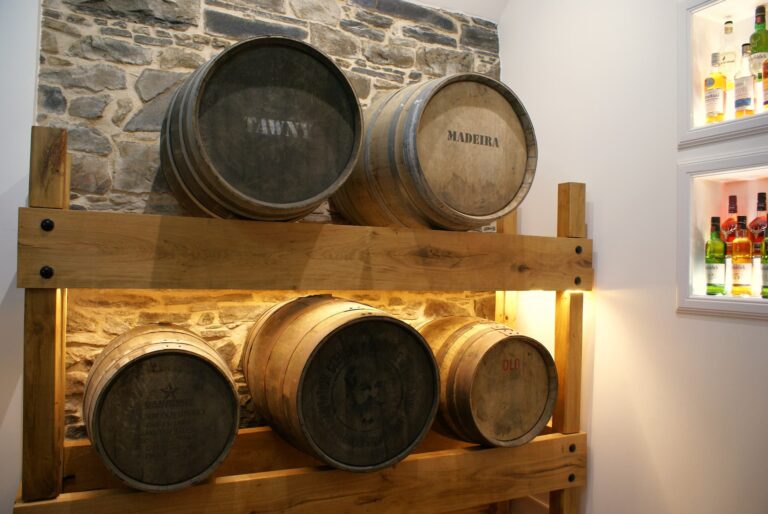
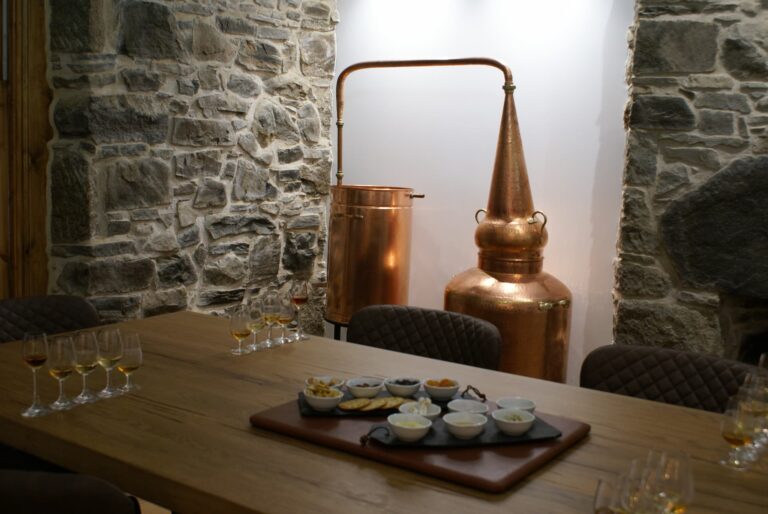
The original masonry, dating back to 1765, has been carefully preserved and complemented by displays of the casks that shape the character of Scotch whisky — Bourbon, Rum, Sherry, Port and Madeira. A handcrafted copper whisky still stands nearby, echoing the form of domestic stills once found in Scottish homes before private distilling was curtailed in the late eighteenth century.
Beyond the tasting area lies the adjoining lounge, restored as a place for unhurried conversation and quiet reflection, where a dram is never out of place.
Here, the story flows naturally toward the nearby River Spey — often known as “the River of Life.” For centuries it has sustained the people, wildlife and culture of the Highlands. Its pure waters have also shaped Scotland’s greatest whisky region, relied upon by distilleries for mashing, cooling and production.
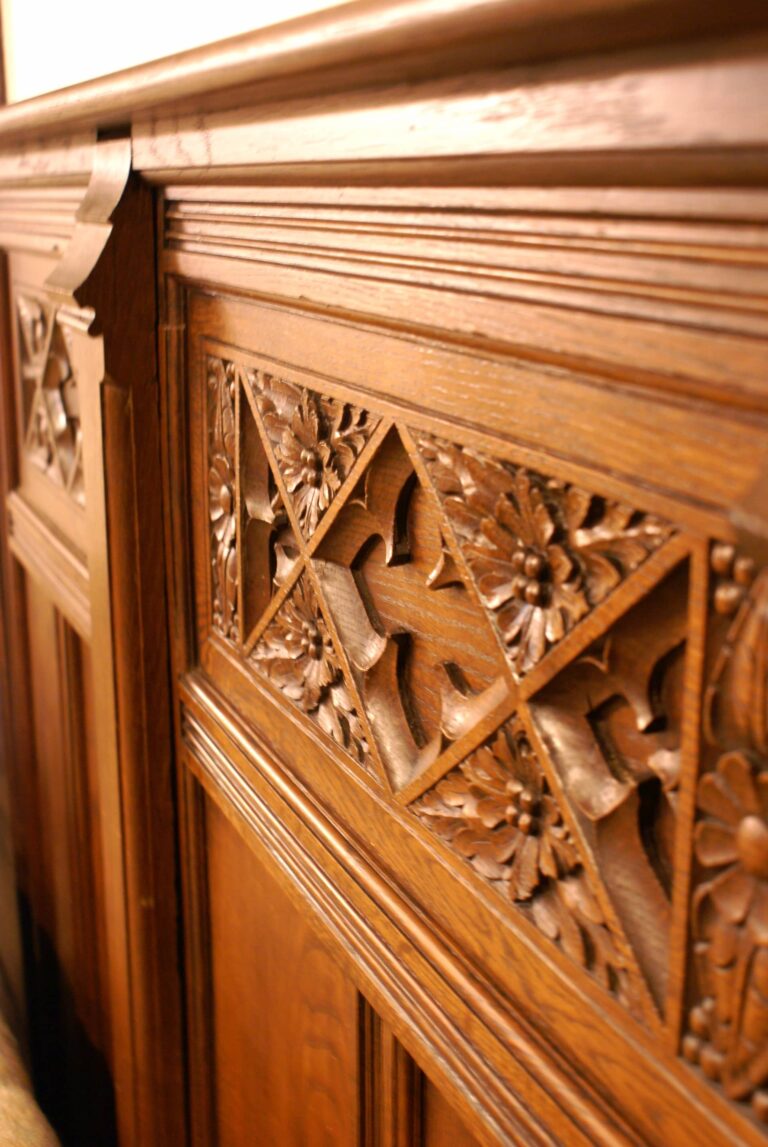
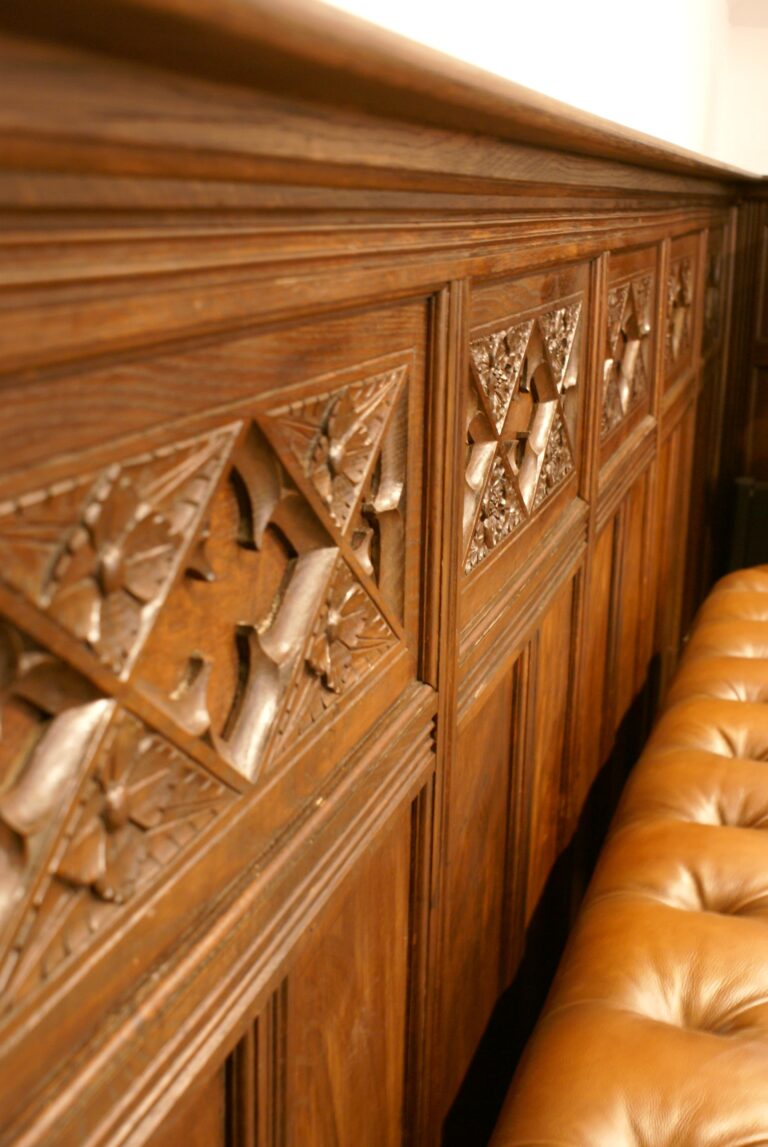
To honour this heritage, the vision for the lounge was one of timeless craftsmanship. After an extensive search, authentic carved oak panelling dating from the 1870s was found, which previously graced Hope End Mansion in England.
Built in 1872 and tragically destroyed by fire in 1910, the mansion’s panelling survived for decades in storage before being carefully restored and installed here, lending the room a sense of continuity, depth and quiet grandeur.

Janet McKenzie — “The Countess”
Yet the most remarkable story connected to this snug is not found in its stone or timber, but in the woman for whom it is named.
The snug proudly bears the name of Janet McKenzie, the first innkeeper in Grantown-on-Spey — a woman whose life was so extraordinary and colourful that it passed into local legend.
Janet was no ordinary hostess. She was a traveller, an adventurer and a figure of fascination throughout the Highlands, widely known as “the Countess.” Her story was recorded by Reverend James Hall, who encountered her late in life. He wrote:
“Though above seventy years of age, gay, lively, polite, and insinuating, and one that had no objections now and then to a glass or two of good warm punch.”
Janet’s journey began when she was barely fourteen years old, herding sheep by the roadside. One day, a passing sergeant asked whether she would go with him. She agreed without hesitation, leaving her sheep behind and walking away into a life of adventure.
Her beauty soon drew attention. A captain took her abroad to Germany. From there she passed into the company of a superior officer and ultimately became the companion of a marquis — a commander-in-chief of British forces. For a time, Janet moved at the highest levels of military society.
She eventually returned to Scotland in comfortable circumstances, married, and soon persuaded her husband to enlist. Janet followed him once more, this time as a sutler, supplying and trading with regiments as they moved across Europe. She saved money, gained experience and continued to roam.
Her travels carried her across Britain, the European continent and the Americas. Finally, in 1765, she returned to the Highlands and took up running an inn in the newly founded town of Grantown-on-Spey. In this sense, the town’s tradition of hospitality began with her.
Janet’s lively establishment earned her the nickname “the Countess,” though its exuberance also drew criticism. Complaints of “disorderly conduct” eventually led her to move on — first to an inn beside the military road at Camdelmore, and later, in 1777, to the original site of the village of Tomintoul.
Writing in the Statistical Account of Scotland, Sir John Sinclair recorded perhaps the most astonishing detail of all: despite her extraordinary life, Janet had added twenty-four children to the aggregate of births and, even in old age, remained vigorous, animated and full of life. The only visible sign of age, he noted, was “two or three grey hairs vegetating from a mole upon one of her cheeks.”
In the hope that many more travellers will gather here, raise a glass and enjoy the spirit of Highland hospitality she began over two and a half centuries ago, the snug at the Grant Arms Hotel proudly bears her name:
“Janet Mckenzie’s Dunnage”
Slàinte.